Blockchain Scalability: The Future of Digital Transactions

Blockchain Scalability: The Future of Digital Transactions
In the ever-evolving world of cryptocurrencies, scalability continues to be a hot topic among industry experts and enthusiasts alike. With an astonishing $4.1 billion lost to DeFi hacks in 2024, the need for robust, scalable solutions has never been more crucial. This article dives deep into the intricacies of blockchain scalability, addressing its challenges, solutions, and the technological advancements that promise to reshape how we perceive digital transactions.
What is Blockchain Scalability?
Blockchain scalability refers to the ability of a blockchain network to handle an increasing amount of transactions efficiently. As the demand for faster and more secure transactions grows, blockchain networks face the challenge of ensuring they can meet these demands without compromising on security or decentralization.
The Three Dimensions of Scalability
- Throughput: This measures how many transactions a network can process in a given timeframe, often expressed in transactions per second (TPS).
- Latency: This is the time it takes for a transaction to be confirmed on the network, influencing user experience.
- Accessibility: This refers to how user-friendly and inclusive the platform is, ensuring that a broader audience can participate.
Challenges of Blockchain Scalability
Scalability presents unique challenges for blockchain networks. Let’s elaborate on some of the main hurdles:
1. Consensus Mechanism Vulnerabilities
Different consensus mechanisms, like Proof of Work or Proof of Stake, have their advantages and disadvantages. For instance, while Proof of Work is secure, its energy-intensive nature limits scalability. In contrast, Proof of Stake offers efficiency but may face centralization issues. To address this, many new projects are exploring hybrid solutions.
2. Network Congestion
As blockchain networks gain popularity, user activity increases, leading to congestion. This affects transaction speeds and can result in significantly higher fees. According to reports, Ethereum gas fees soared to an average of $50 during peak periods in 2023.
3. Data Storage Limitations
Blockchain data is often replicated on every node, leading to storage issues as the network grows. Implementing sharding methods could potentially alleviate some of these concerns by distributing data across different nodes. For example, recent experiments have shown that sharding could increase Ethereum’s scalability by up to 1,000x.
Solutions and Innovations in Blockchain Scalability
Understanding scalability challenges allows us to identify effective solutions. Here are some noteworthy innovations:
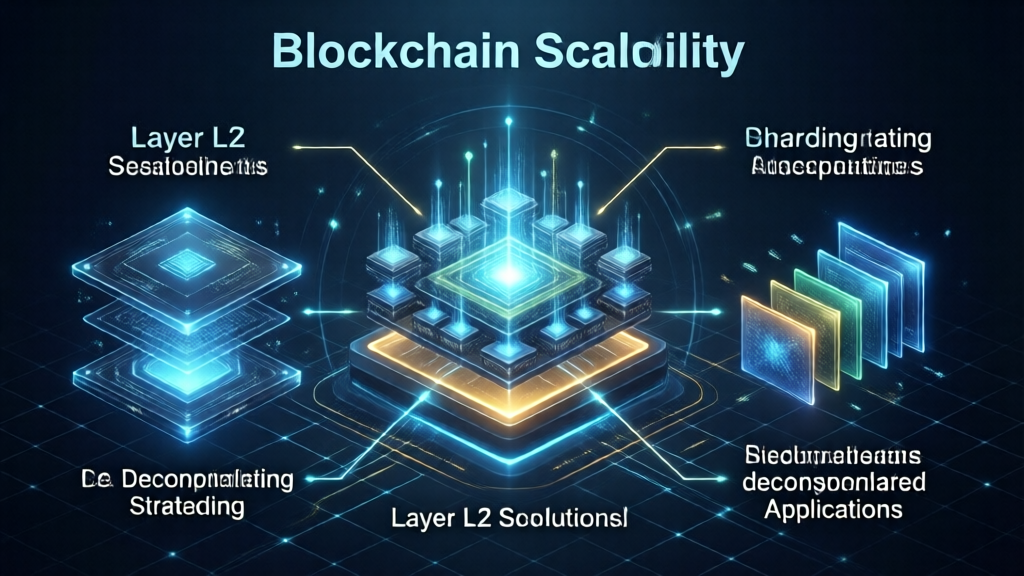
1. Layer 2 Solutions
Layer 2 solutions like the Lightning Network for Bitcoin and Plasma for Ethereum aim to process transactions off-chain, significantly reducing the load on the main blockchain. This allows for faster transaction speeds without sacrificing security. In fact, the Lightning Network has reportedly processed over $1 billion in transactions as of late 2023.
2. Sharding
Sharding divides the database into smaller, more manageable pieces, allowing the network to process transactions in parallel. This method can enhance overall throughput by distributing the workload, ensuring each shard stores only a portion of the entire blockchain.
3. Decentralized Applications (dApps)
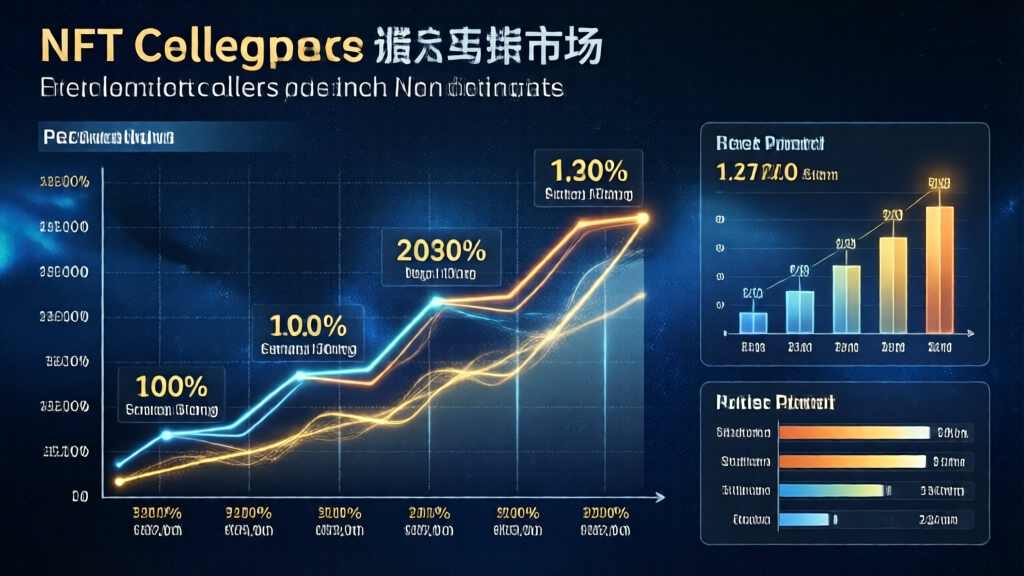
dApps built on efficient blockchain protocols can manage their own scalability as they interact with users and smart contracts. Many of these applications utilize sidechains to enhance transaction speeds while minimizing fees. For instance, DeFi platforms have seen user growth rates of over 200% in 2023 alone.
The Future: What’s on the Horizon for Blockchain Scalability?
Looking ahead, several trends could shape the future of scalability:
1. Integration of AI and Blockchain
Machine learning algorithms could optimize transaction processes, predict network congestion, and enable real-time adjustments to improve scalability.
2. Cross-Chain Solutions
With multiple blockchains coexisting, cross-chain communication will be essential. Innovations like Polkadot and Cosmos are paving the way for various blockchains to interact seamlessly.
3. Regulation and Compliance
As regulators pay closer attention to cryptocurrencies, complying with legal frameworks may lead to more standardized scalability measures across the board.
Conclusively, the issue of blockchain scalability is multifaceted, requiring a blend of technological innovations and strategic planning. As we venture further into this digital era, understanding and addressing these challenges will be critical for the sustained growth of the cryptocurrency market.
Practical Tips for Developing Scalable Blockchain Solutions
- Evaluate Your Consensus Mechanism: Opt for a mechanism that balances security, speed, and decentralization based on your specific needs.
- Utilize Layer 2 Solutions: Implement technologies like state channels to offload transactions to ensure your network operates smoothly.
- Stay Informed: Actively monitor developments in blockchain technology to leverage new advancements for improved scalability.
- Test and Iterate: Regularly audit your smart contracts and infrastructure to detect and resolve scalability issues before they affect your users.
In conclusion, taking actionable steps today can lead to a more scalable and robust blockchain network tomorrow, thus improving the overall user experience and security. Whether you’re involved in crypto trading or decentralized finance, your journey through the world of blockchain will only prosper through scalability.
Disclaimer: This article is not financial advice. Always consult local financial regulations and experts before making investment decisions.
By focusing on blockchain scalability, we not only enhance the potential of cryptocurrencies but also ensure their accessibility for people across the globe, including burgeoning markets like Vietnam, where the term “tiêu chuẩn an ninh blockchain” is becoming increasingly relevant.
For more insights on the future of cryptocurrencies and blockchain technology, visit techcryptodigest.