ASEAN Crypto Market Overview: Insights into the Future of Digital Assets

ASEAN Crypto Market Overview: Insights into the Future of Digital Assets
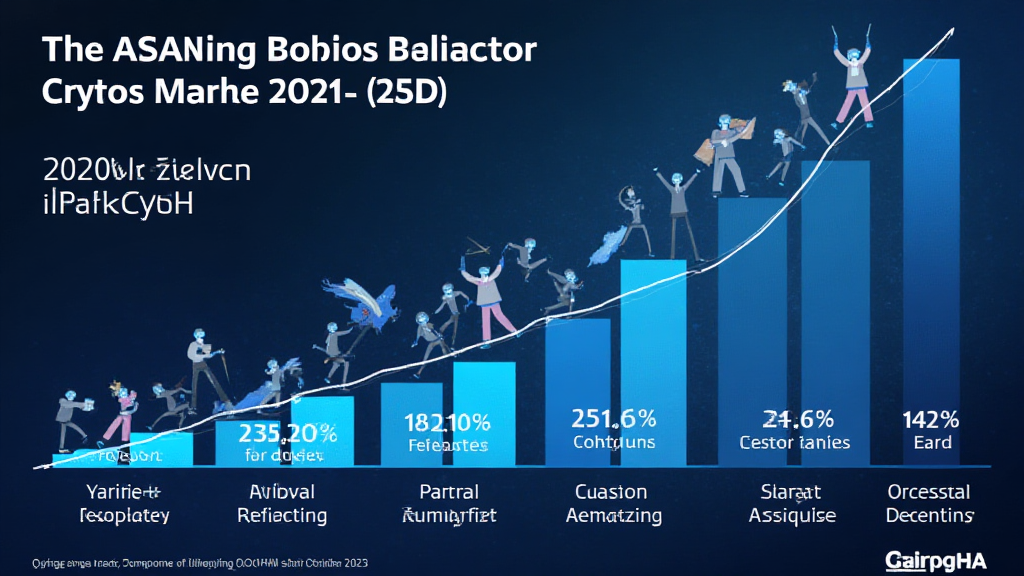
In recent years, the ASEAN crypto market has gained significant momentum, attracting the attention of investors, regulators, and technology enthusiasts alike. As digital assets continue to redefine the financial landscape, the urgency to understand this market grows. With statistics indicating a surge of 300% in cryptocurrency investments across ASEAN countries from 2020 to 2023, the reasons for this traction are apparent. This article will delve into the current state of the ASEAN crypto market, explore the key players involved, and provide insights on future trends likely to shape the region’s financial ecosystems.
Understanding the ASEAN Crypto Market
The term “ASEAN” refers to the Association of Southeast Asian Nations, a regional intergovernmental organization comprising ten countries, including Vietnam, Thailand, Singapore, and Indonesia. As of 2023, the ASEAN crypto market is estimated to be valued at over $50 billion, with increasing participation from both retail and institutional investors. Data shows a 150% increase in crypto wallet users among ASEAN nations, reflecting a growing acceptance of digital currencies.
Unlike traditional financial systems, the crypto market operates without borders, presenting opportunities for countries within ASEAN to leapfrog conventional barriers. For instance, with rising crypto adoption among the 40% of Vietnam’s population under 30, the integration of blockchain technology and cryptocurrencies into everyday transactions is becoming more prevalent.
Key Drivers Fueling Growth
- Youth Population: With a significant portion of the population being tech-savvy youths, countries like Vietnam have seen rapid adoption of cryptocurrencies. This demographic shift positions them as early adopters in the market.
- Regulatory Support: Governments in many ASEAN nations are beginning to see cryptocurrencies as potential economic drivers. For example, the Vietnamese government is exploring regulations regarding crypto transactions, enhancing investor confidence.
- Accessibility to Financial Services: Cryptocurrencies provide unbanked populations in ASEAN countries with access to financial services. As of 2022, about 70% of Vietnam’s adults lack bank accounts, yet many possess mobile phones, creating a ripe environment for mobile-based blockchain solutions.
The Impact of Regulations on Crypto Adoption
Regulatory landscapes play a critical role in shaping the future of the ASEAN crypto market. Clarity in regulations instills a sense of security, encouraging more businesses and individuals to participate in the market. For instance, Singapore has established itself as a leading crypto hub, with more than 800 crypto firms registered by 2023. In contrast, countries with uncertain regulatory frameworks, such as Indonesia, are lagging in adoption rates.
- Philippine Regulations: The Bangko Sentral ng Pilipinas (BSP) has implemented guidelines for digital asset service providers, promoting a safer environment for investors.
- Thailand’s Digital Asset Act: The Thai government introduced laws to regulate digital assets, providing clarity and security to participants in the market.
Current Trends in the ASEAN Crypto Market
As the ASEAN crypto market evolves, several key trends are emerging:
- Increased Investment in DeFi: Decentralized Finance (DeFi) platforms are gaining traction as more investors seek to capitalize on yields compared to traditional banks.
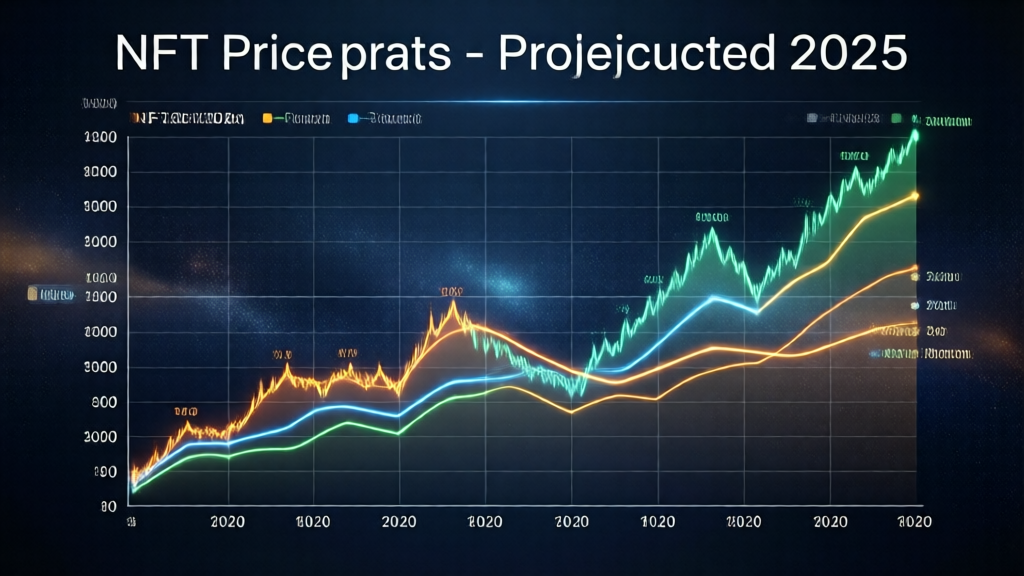
- Surging Interest in NFTs: The interest in Non-Fungible Tokens (NFTs) is growing within the art and music industries, with Asian creators leading global sales.
- Rise of Local Exchanges: Homegrown exchanges are rapidly emerging to offer users localized services, leading to enhanced user experiences and stronger community engagement.
Challenges Facing Growth
Despite the positive outlook, the ASEAN crypto market faces several challenges that could impede its growth:
- Regulatory Uncertainty: Governments that are slow to implement clear regulations may deter investment.
- Security Concerns: Hacks and fraud in the crypto space remain prevalent, with $4.1 billion lost to DeFi hacks in 2024 highlighting the need for better security practices.
- Cultural Barriers: In some regions, skepticism towards cryptocurrencies still exists, stemming from a lack of understanding and awareness.
Future Prospects for the ASEAN Crypto Market
Looking ahead, several factors could influence the trajectory of the ASEAN crypto market:
- Integration with Traditional Finance: As banks and financial institutions start to adopt blockchain technology, the two worlds may converge, providing more seamless transactions.
- Innovations in Blockchain Technology: Continued advancements in protocols and consensus mechanisms will lead to enhanced scalability and efficiency.
- Global Collaboration: Partnerships across borders will be crucial for fostering innovation and addressing regulatory challenges.
Conclusion
The ASEAN crypto market is a dynamic and rapidly evolving landscape, full of opportunities and challenges. With a burgeoning population, regulatory frameworks becoming more defined, and increased adoption by the youth, the potential for growth is immense. Nonetheless, understanding the regulatory, technological, and cultural nuances will be critical for stakeholders looking to capitalize on this promising market. As we move towards 2025, staying informed about trends and preparing for regulatory scenarios will empower participants in this space.
For further insights and resources about the ASEAN market and blockchain security standards, check out our guides at hibt.com. Stay updated to navigate the exciting world of cryptocurrencies in the ASEAN region.
Author: Dr. Alexander T. Nguyen, a seasoned blockchain consultant with over 15 publications in the field and former lead auditor for several renowned ICO projects.