Understanding Blockchain Oracles: Bridging the Gap

Introduction
In the ever-evolving world of blockchain technology, one component stands out for its essential role in enhancing functionality: blockchain oracles. Imagine a world where smart contracts can interact with real-world data seamlessly—this is where oracles come into play. Research suggests that by 2025, the market for blockchain oracles is expected to grow significantly, driven by demand for reliable data sources, with estimates suggesting a rise to over $1 billion. This article will delve into what blockchain oracles are, why they matter, and how they function within the broader blockchain ecosystem.
What are Blockchain Oracles?
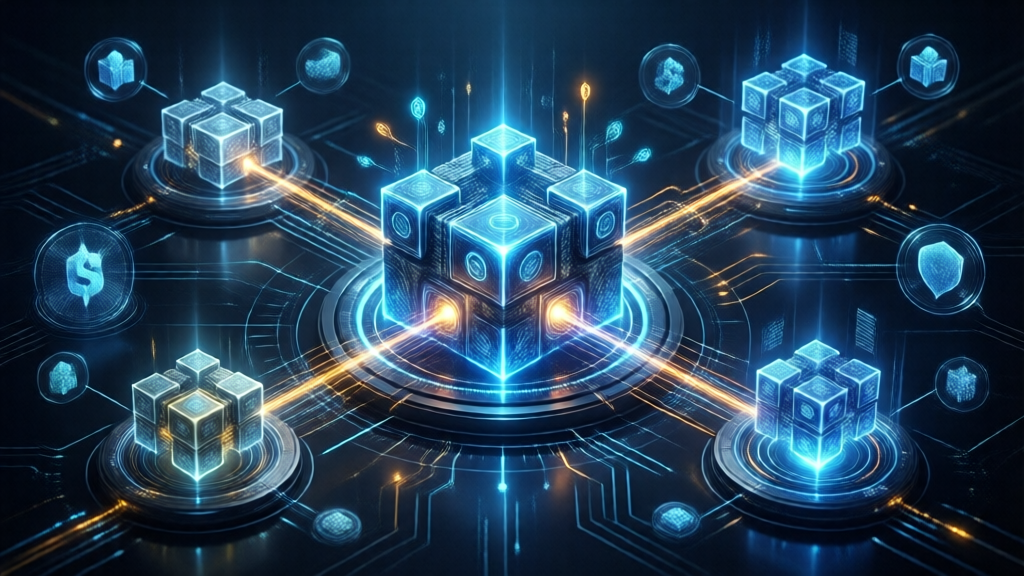
At their core, blockchain oracles act as intermediaries that connect blockchains with external data sources. They enable smart contracts to execute based on real-world inputs. Without oracles, smart contracts remain isolated, unable to access essential information such as price feeds, weather data, or event outcomes. In simpler terms, an oracle fills the gap between on-chain data (data residing on the blockchain) and off-chain data (data outside the blockchain landscape).
Types of Oracles
- Hardware Oracles: These connect smart contracts to real-world events through physical sensors or devices.
- Software Oracles: They gather data from online sources, such as APIs or web feeds.
- Inbound Oracles: These bring external data onto the blockchain, enriching the smart contracts with necessary inputs.
- Outbound Oracles: They relay information from the blockchain to the outside world, such as executing a payment based on contract execution.
Why are Blockchain Oracles Important?
Without the functionality that oracles provide, the potential of smart contracts remains limited. Here are a few key reasons why blockchain oracles are vital:
- Enhanced Reliability: By fetching accurate real-time data, they ensure that smart contracts execute under the right conditions.
- Broader Applications: Oracles open doors to numerous use cases, including decentralized finance (DeFi), supply chain tracking, and more.
- Market Expansion: As businesses recognize the value of blockchain applications, the need for reliable data sources will push for more sophisticated oracle solutions.
The Role of Oracles in Decentralized Finance (DeFi)
DeFi platforms rely heavily on oracles for accurate asset pricing and transaction execution. Without trustworthy price feeds, transactions could lead to significant losses. For example, a decentralized exchange (DEX) might utilize an oracle to confirm the price of Ethereum in real-time before executing a swap for another cryptocurrency.
Popular Oracle Solutions in the Market
Numerous innovative solutions have surfaced in the oracle space. Here are some notable mentions:
- Chainlink: Perhaps the most recognized name in the oracle domain, Chainlink provides tamper-proof data feeds used by numerous DeFi projects.
- Band Protocol: This platform allows developers to create their own oracles while also offering customizable data source integration.
- API3: A decentralized oracle network that enables APIs to communicate real-world data directly to smart contracts.
Challenges Facing Blockchain Oracles
While the advantages of using blockchain oracles are clear, several challenges must be addressed:
- Data Reliability: The trustworthiness of data sourced through oracles can vary, and incorrect data can lead to erroneous contract execution.
- Centralization Risks: Some oracle solutions may rely on a centralized data provider, undermining the decentralized nature of blockchain.
- Manipulation Vulnerability: If an oracle is compromised, malicious actors could manipulate the data being fed into smart contracts.
The Future of Blockchain Oracles
The future appears promising for blockchain oracles. As the blockchain ecosystem continues to grow, so will the need for oracles to facilitate interactions with off-chain data sources. A prediction from analysts suggests that we will see an increased focus on decentralized oracles to enhance trust and reliability.
Predictive Analytics
In addition to traditional data feeds, predictive analytics could serve as another avenue for oracles. Imagine a smart contract that can analyze historical weather data and forecast future conditions to execute a function, such as agricultural insurance payouts during a drought. This innovative use case is just the start of the possibilities that oracles can offer.
Conclusion
To sum it up, blockchain oracles serve as crucial bridges connecting the blockchain world to real-time external data, enabling a wide array of applications from DeFi to supply chain management. As industry demand for reliable decentralized solutions grows, oracles will evolve, addressing their weaknesses while unlocking unparalleled opportunities for businesses and developers. To stay updated, industry stakeholders should keep an eye on emerging oracle technologies and their implementations.
By understanding the intricacies of blockchain oracles, we pave the way for a more integrated and trustworthy blockchain ecosystem that significantly contributes to the world of cryptocurrencies.
Imaginary Expert Name, a respected authority in blockchain technology with over 15 published articles in the field, has led audits for several high-profile projects in the crypto space.