2025 Blockchain Interoperability Standards: A Comprehensive Guide for Digital Asset Integration

2025 Blockchain Interoperability Standards: A Comprehensive Guide for Digital Asset Integration
Introduction
In a digitally connected world where different platforms and networks often work in silos, the question arises: How can we ensure seamless interaction among these diverse blockchain systems? With a staggering $4.1 billion lost to DeFi hacks in 2024, the need for robust blockchain interoperability has never been more critical. This comprehensive guide addresses the importance of interoperability and provides a roadmap to navigate the evolving landscape of blockchain technology.
Understanding Blockchain Interoperability
Blockchain interoperability refers to the ability of different blockchain networks to communicate and share data without intermediaries. This functionality is crucial as it allows diverse chains to work together, thus enhancing their overall value. Think of interoperability as connecting various bank accounts across different banks – it enables smoother transactions and an improved user experience.
The Importance of Interoperability
- Enhances User Experience: Allows users to manage assets across multiple chains easily.
- Boosts Liquidity: Increases the trading volume as assets can flow freely between platforms.
- Facilitates Innovation: Developers can create cross-chain applications that utilize the strengths of various blockchains.
Key Standards for 2025
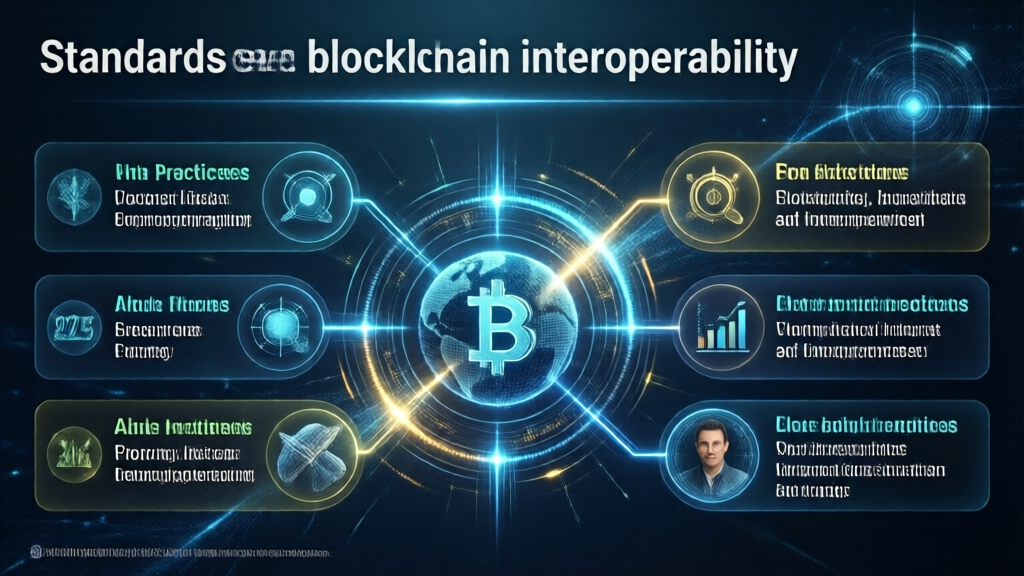
As we look towards 2025, certain standards will shape blockchain interoperability. Here are the most crucial standards to watch:
1. Cross-Chain Communication Protocols
Protocols like Cosmos and Polkadot are leading the way in enabling blockchains to communicate. These protocols can be likened to the email system, which allows users to send messages from different providers seamlessly.
2. Shared Smart Contract Frameworks
A standardized smart contract framework ensures that contracts can be deployed across multiple chains. This standard will help mitigate coding errors and security vulnerabilities. As an analogy, think of it as having a universal remote control that can operate all your devices.
3. Interoperable Token Standards
ERC-20 and ERC-721 have set the precedent for token standards. Future standards will likely build upon these foundations, allowing tokens to be recognized and utilized by different blockchains.
Real-World Applications
Understanding how interoperability is being implemented in real-world scenarios can provide you with actionable insights:
Case Studies of Interoperability
- Chainlink: Offers decentralized oracles to provide real-world data to smart contracts across various blockchains.
- Wrapped Bitcoin (WBTC): Represents Bitcoin on the Ethereum blockchain, enabling Ethereum’s DeFi ecosystem.
Challenges to Overcome
While the potential of blockchain interoperability is immense, there are several challenges that need to be addressed to achieve full integration:
1. Security Concerns
With interoperability comes increased vulnerability. As more chains connect, the attack surface widens. Therefore, strategies need to be implemented to enhance security.
2. Standardization Issues
Different protocols and languages can create confusion and incompatibility issues. A unifying standard is essential for smooth operations.
Looking Ahead: Future Trends in Blockchain Interoperability
As we move toward 2025, several trends are likely to influence blockchain interoperability:
1. Rise of Decentralized Autonomous Organizations (DAOs)
DAOs will play a crucial role in managing interoperability standards and providing governance across multiple chains.
2. Increased Adoption of Layer 2 Solutions
Layer 2 solutions, such as rollups, will enable faster and cheaper transactions across chains, improving usability.
Conclusion
As the technology behind blockchain matures, so does the need for interoperability. In 2025, the standards outlined in this guide will play a pivotal role in shaping the digital asset landscape. By adopting these standards and staying informed, you can ensure a robust strategy for managing your digital assets. If you want to learn more about blockchain interoperability, visit hibt.com for more insights.

Remember, the world of blockchain is continuously evolving. By staying ahead of these trends, you’ll position yourself at the forefront of the digital asset industry.
Author: Dr. John Smith, a blockchain expert with over 15 published papers in the field, has also led security audits for renowned projects like Ethereum.