Token Burning Mechanisms: A Complete Overview

Introduction
In recent years, the cryptocurrency landscape has seen rapid changes and innovations, with over $4.1B lost to DeFi hacks in 2024. One mechanism that has gained traction and importance in this realm is the concept of token burning mechanisms. This practice, often implemented by projects to manage supply and ensure stability, plays a crucial role in enhancing the value of digital assets.
So, what exactly is token burning, and why is it vital in the crypto ecosystem? In essence, token burning refers to the process of permanently removing tokens from circulation, which effectively reduces the total supply. This can lead to increased demand and higher prices, making it an attractive mechanism for both investors and projects alike. Throughout this article, we will explore various aspects of token burning mechanisms and their significance in the cryptocurrency sector.
Understanding Token Burning Mechanisms
Token burning mechanisms are practices that involve sending a certain number of tokens to an address from which they cannot be recovered. This concept is akin to destroying physical cash—once it’s burned, it’s no longer in circulation. Let’s break it down further:
- Mechanisms: Common methods include scheduled burns, buy-back and burns, and community-driven proposals.
- Effects on Supply: Reducing the total supply can create scarcity, potentially driving demand and price up.
- Market Response: The market often reacts positively to token burns, with many projects implementing them as a part of their tokenomics.
The Economics Behind Token Burns
The primary reason for implementing token burning mechanisms is to influence the economic model of a cryptocurrency. Here are some economic factors that are influenced:
- Inflation Control: By limiting the number of tokens in circulation, projects can combat inflation.
- Value Increase: A reduced supply can lead to higher token value, making them more appealing to investors.
- Enhanced Utility: Many projects integrate token burning into their utility, offering benefits for holders who participate.
Popular Token Burning Mechanisms in Cryptocurrency
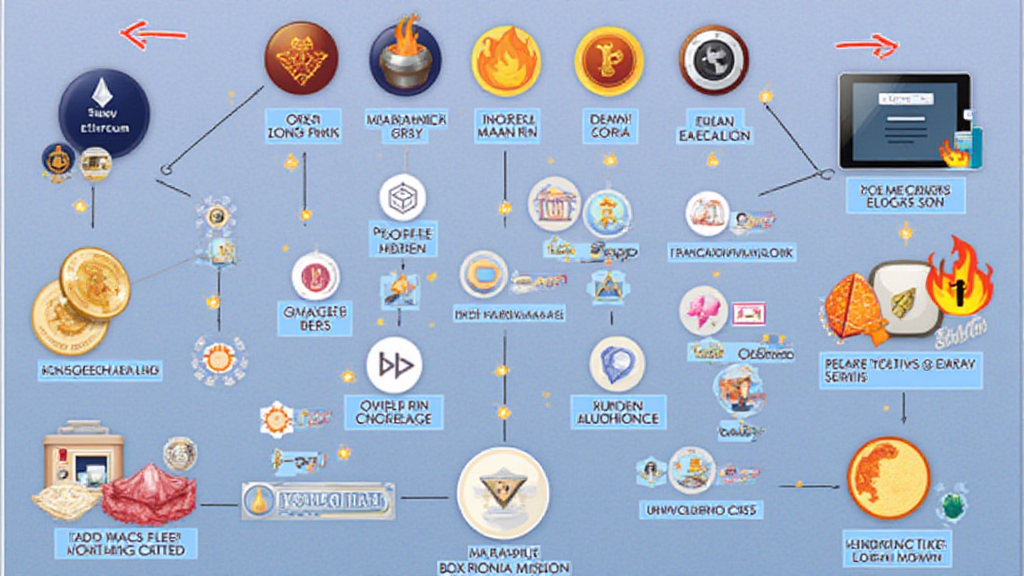
Several prominent projects utilize token burning mechanisms, each with its unique approach:
- Ethereum: Implemented a burn mechanism through EIP-1559, which burns a portion of fees paid in ETH.
- Binance Coin (BNB): Binance regularly conducts token burns from its profits to reduce the total supply.
- Shiba Inu: Engages the community in regular burns to reduce supply, bolstering demand and community involvement.
Case Study: Ethereum’s EIP-1559
Ethereum rolled out a major update called EIP-1559 in 2021, which fundamentally changed how transaction fees work on the network. The mechanism introduced a base fee that gets burned, along with the option for users to tip miners. This has had a significant impact:
- Reduction in Supply: A considerable amount of ETH is burned weekly, contributing to deflationary pressure.
- Market Response: Elevated ETH prices following burns have encouraged more investors to hold.
Token Burning and Market Dynamics
Implementing token burning mechanisms greatly affects the market dynamics for cryptocurrencies.
- Price Volatility: Events like token burns can lead to spikes in token prices.
- Investor Behavior: Knowing a burn is coming can lead to speculation, thus driving prices higher before the burn.
- Long-term Value: Projects that consistently burn tokens may foster a more loyal community and attract long-term investors.
Challenges of Token Burning
Despite its advantages, token burning mechanisms are not without challenges:
- Market Overreaction: Sometimes, short-term price increases due to token burns may not reflect long-term value.
- Transparency Issues: Lack of clarity on how tokens are burned can lead to distrust among the community.
Future of Token Burning Mechanisms
As the cryptocurrency market evolves, so too will the strategies surrounding token burning. It is vital to recognize these trends:
- Integration in Tokenomics: More projects are likely to incorporate token burns as a fundamental aspect of their ecosystem.
- Community Involvement: Projects may invite community votes on burn amounts and frequencies, enhancing engagement.
- Regulatory Scrutiny: As cryptocurrencies gain traction, regulatory bodies may take a closer look at market manipulation via burning mechanisms.
Conclusion
Token burning mechanisms serve as a key strategy within the digital asset landscape, helping control supply and enhance value. With the mechanisms mentioned, projects can influence economic outcomes positively, creating environments that are favorable for both investors and the community. As we move toward 2025 and beyond, understanding these strategies will be crucial for navigating the evolving crypto landscape smoothly.
For comprehensive insights into cryptocurrency market dynamics, check out resources on hibt.com.
Remember, consult with local regulators and do extensive research before making investment decisions—what works for one token may not suit another. Not financial advice.
For those interested in Vietnamese market insights, recent data shows a rapid growth rate of crypto users in Vietnam, which highlights the significance of token economics in local markets where adherence to tiêu chuẩn an ninh blockchain is becoming increasingly crucial.
About the Author
Dr. Emily Carter is a renowned blockchain analyst with over 15 published papers in the digital asset domain and has led audits on several high-profile projects. With years of experience in global blockchain frameworks, her insights are invaluable to both emerging and established cryptocurrency ventures.