Crypto Decentralized Exchanges: Navigating the Future of Digital Trading

The Rise of Crypto Decentralized Exchanges
In recent years, the financial landscape has shifted dramatically, with decentralized finance (DeFi) gaining traction and reshaping how we view traditional banking and trading systems. A striking figure highlights this shift: in 2024 alone, hackers stole over $4.1 billion from DeFi protocols, underscoring the urgent need for improved security measures and practices in the crypto space. But what exactly are crypto decentralized exchanges, and why are they becoming increasingly important for users and investors?
Crypto decentralized exchanges (DEXs) facilitate peer-to-peer transactions without the need for intermediaries, thereby offering users greater control over their assets and trades. This guide explores the principles, mechanics, and emerging trends surrounding DEXs, aiming to empower users in navigating this new frontier of digital finance.
Understanding Decentralized Exchanges
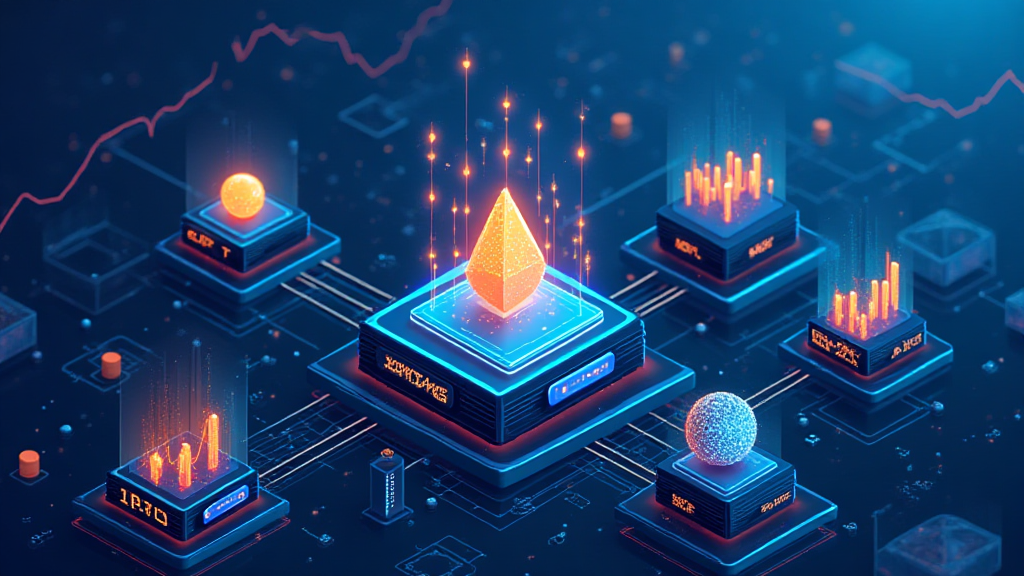
Decentralized exchanges operate on blockchain technology, utilizing smart contracts to automate trades directly between users. Unlike traditional centralized exchanges, users retain their private keys, ensuring greater security and autonomy.
- Smart Contracts: Code that executes transactions and agreements automatically, enhancing security.
- Liquidity Pools: Funds provided by users to facilitate trades, earning a share of transaction fees.
- Security Features: Elimination of single points of failure typical in centralized systems.
As more users flock to DEXs, particularly in regions like Vietnam where the number of cryptocurrency users has surged by over 300% year-on-year, understanding their mechanics becomes vital.
Advantages of Using DEXs
Decentralized exchanges offer users several remarkable advantages:
- Enhanced Privacy: Users can trade without revealing personal information.
- Greater Control: Users manage their funds directly, reducing reliance on third parties.
- Global Accessibility: Anyone with an internet connection can trade, breaking down geographical barriers.
Moreover, DEXs are often less prone to censorship and trading restrictions imposed by governments and regulatory bodies.
Common Risks and Challenges
Despite their advantages, it would be naive to ignore the risks associated with DEXs. Users must be aware of:
- Smart Contract Vulnerabilities: Flaws in code that hackers can exploit, leading to significant losses.
- Market Liquidity Risks: Potential difficulties in executing large orders without affecting prices.
- Regulatory Uncertainty: Varied regulations across jurisdictions can impact DEX operations.
To mitigate these risks, users should engage in best practices, like auditing smart contracts and utilizing robust security tools such as hardware wallets.
The Future of DEXs in 2025 and Beyond
As the crypto and DeFi landscapes evolve, predictions about the future of decentralized exchanges can provide insights into emerging trends and practices. By 2025, experts anticipate:
- Increased Institutional Participation: With larger players entering the space, expect more sophisticated trading strategies.
- Enhanced User Interfaces: Improvements in UI/UX will broaden DEX adoption across various demographics.
- Cross-Chain Compatibility: Innovations enabling seamless trades across different blockchains.
According to Chainalysis, by 2025, decentralized exchanges are predicted to handle over 40% of total crypto trading volume as user preferences shift from exchanges to decentralized solutions driven by security and transparency.
Tools and Resources for Navigating DEXs
To stay ahead in this dynamic environment, utilizing reliable tools is essential. Some recommended resources include:
- DEX Aggregators: Platforms like hibt.com that find the best trade rates across multiple exchanges.
- Security Auditors: Companies that specialize in auditing smart contracts to identify vulnerabilities.
- Wallets: Hardware wallets, such as Ledger Nano X, which can reduce the risk of hacks by keeping assets offline.
These tools help users better navigate the risks associated with trading on decentralized platforms while maximizing their trading efficiency.
Your Role in the Decentralized Economy
As a participant in this decentralized digital economy, your role is pivotal. Staying informed, engaging in continuous learning, and understanding the evolution of technology and regulations can significantly impact your trading success.
- Follow reliable news sources for updates about DEX developments and vulnerabilities.
- Participate in community forums and discussions to share knowledge and gather insights.
- Consider contributing to liquidity pools, but ensure to research the projects before investing.
By equipping yourself with knowledge and utilizing available resources, you can navigate the future of decentralized exchanges effectively.
Conclusion
As the landscape of trading continues to morph with the evolution of technology, understanding crypto decentralized exchanges is crucial for anyone involved in cryptocurrency. They not only offer new forms of autonomy and security but also pose unique challenges that users must be prepared to manage. As Vietnam’s crypto user base continues to grow, aligning with the trends and insights from global experts becomes imperative to maximize potential and minimize risks in this exciting, rapidly changing industry.
In a world leaning towards decentralization, your ability to navigate DEXs may redefine your trading experience and potential profits. Keep learning, stay updated, and embrace the future of trading with confidence.
For more insights on cryptocurrency and finance, visit techcryptodigest.