Exploring NFT Licensing Models: A Comprehensive Guide

Exploring NFT Licensing Models: A Comprehensive Guide
In a world where digital assets are becoming the norm, licensing for these assets is more crucial than ever. As we approach the year 2025, the landscape of digital ownership continues to evolve. Did you know that the NFT market generated over $25 billion in sales in 2022 alone? With a staggering rise in digital collectibles, the importance of NFT licensing models can’t be understated. This guide seeks to delve into the types of licensing models for NFTs, their implications for creators, collectors, and the broader economy.
Understanding NFT Licensing Models
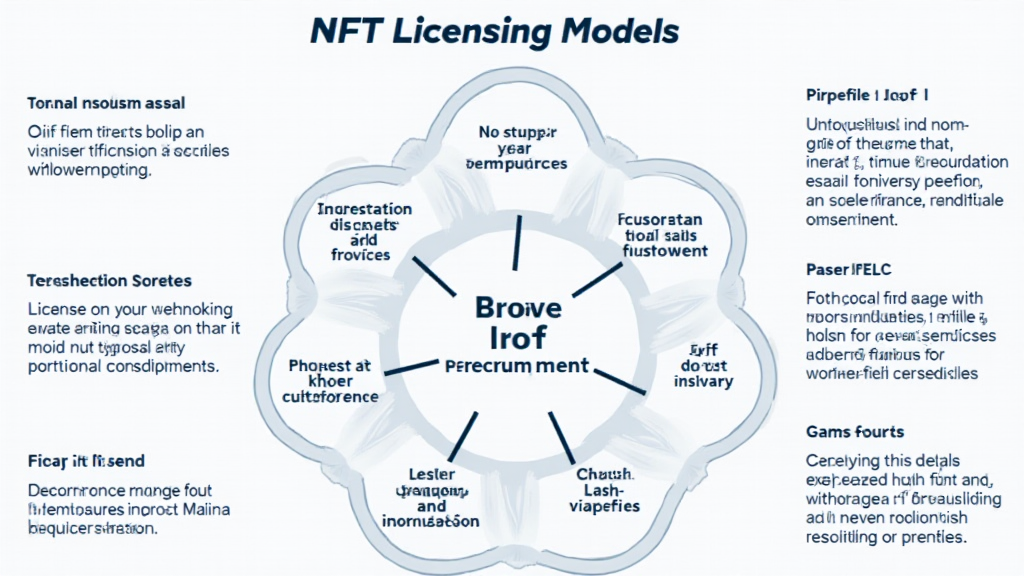
NFTs, or Non-Fungible Tokens, are unique digital assets recorded on a blockchain, often used to represent ownership of digital art, music, video, and other creative content. One of the key aspects of NFTs is how their ownership and usage are defined through licensing models. Let’s break down some of the primary models:
- Exclusive Licensing: The artist grants one party exclusive rights to use the NFT, creating a scarcity that can drive up its value.
- Non-Exclusive Licensing: Multiple parties can obtain rights to use the NFT, which is common for digital art where the artist retains the original rights.
- Transferable Licensing: Some NFTs come with licenses that allow the buyer to transfer ownership, providing flexibility in trading and selling.
- Creative Commons Licensing: This model enables artists to specify how their works can be used, ranging from full attribution to commercial use.
The Importance of Licensing in the NFT Ecosystem
Just like physical artwork or collectibles, licensing is vital in maintaining the integrity of digital art. For instance, if you purchase a piece of art, you may only have the right to display it and not to reproduce or sell it. Similarly, NFT licensing defines these boundaries. Here’s why understanding these models is crucial:
- It protects the creator’s rights and their ability to monetize their work.
- It clarifies the legal situation surrounding ownership, ensuring buyers understand what they can and cannot do with the NFT.
- As the market expands, it helps in creating a standardized framework that can be understood globally, especially in countries like Vietnam, where blockchain adoption is on the rise.
How to Evaluate NFT Licensing Models
Understanding the core licensing options can empower both creators and buyers to make informed decisions. Here are some essential factors to consider when evaluating NFT licensing:
- Rights Granted: Clearly understand what rights are included in your purchase. Does it allow for commercial use, or is it strictly for personal enjoyment?
- Duration of the License: Is the license temporary, or does it last for the lifetime of the NFT?
- Transfer Policies: Can the rights be sold or transferred to another party?
- Geographical Limitations: Are there specific territories where the usage of the NFT is restricted?
Real-World Applications of NFT Licensing Models
The application of NFT licensing models is vast and varied. For instance:
- Musicians can sell NFTs of their songs with a non-exclusive license, allowing fans to own a unique version while the artist retains their rights to distribute the music on platforms.
- Digital artists can issue limited edition NFTs with exclusive rights, giving collectors a stake in the artwork’s value.
- Brands can collaborate with artists to create promotional NFTs, defining clear licensing terms in the agreements to protect both parties.
NFT Licensing Models in Vietnam’s Growing Market
As Vietnam’s digital market grows—recently recorded an increase in blockchain users by 35%—the interest in NFTs is particularly strong among younger generations. This growth includes:
- Local artists creating NFTs for traditional artworks, integrating cultural elements into digital formats.
- Business opportunities for brands seeking to engage with consumers through NFT-based marketing campaigns.
- Communities forming around NFT ownership and trading, fostering economic growth and creativity in the local economy.
This trend showcases the potential for adopting various licensing models that can resonate with both creators and consumers effectively. Vietnamese artists can learn from international models, adapting them to fit local cultural contexts.
The Future of NFT Licensing
The future of NFT licensing is set to evolve as technology and regulation mature. Here are some potential developments on the horizon:
- Standardized licensing agreements may emerge, offering clarity and ease for both buyers and sellers.
- As legal frameworks develop, more robust protections for creators will likely be implemented.
- Increased collaboration between artists and technology firms may yield innovative ways to license and monetize digital content.
Conclusion: Navigating NFT Licensing Models
In conclusion, understanding NFT licensing models is crucial for anyone involved in the digital asset space, from creators to collectors. As the NFT market continues to expand, knowing how these models work can guide better investments, foster creativity, and protect intellectual property rights. As always, it’s advisable to stay updated with the latest industry developments and legalities in your region, especially as governments initiate regulatory measures. At techcryptodigest, we’re committed to keeping you informed about the latest in this rapidly evolving world.
Authored by Dr. Kevin Tran, an expert with over 15 publications in blockchain technology and the lead auditor of several prominent NFT projects.