DAO Governance Models: Empowering Decentralized Decision-Making

Introduction
In 2024, with estimated losses exceeding $4.1 billion due to decentralized finance (DeFi) hacks, the need for robust and transparent governance systems has never been more critical. Decentralized Autonomous Organizations (DAOs) have emerged as a revolutionary solution, facilitating collective decision-making while minimizing risks. This article explores various DAO governance models, their benefits, challenges, and implications for users, especially in emerging markets like Vietnam.
Understanding DAO Governance
DAO governance refers to the set of rules and processes that dictate how decisions are made within a DAO. Unlike traditional organizations, where decisions are often top-down, DAOs leverage blockchain technology to ensure that every member has a voice. The essence of DAOs lies in their ability to operate independently of central authorities, thus offering a new paradigm in organizational structure.
In Vietnam, the adoption of DAOs is on the rise, with local users participating in different governance projects that cater to their needs. As blockchain technology continues to grow, so does the potential for DAOs to provide a more inclusive pathway for decision-making.
Key DAO Governance Models
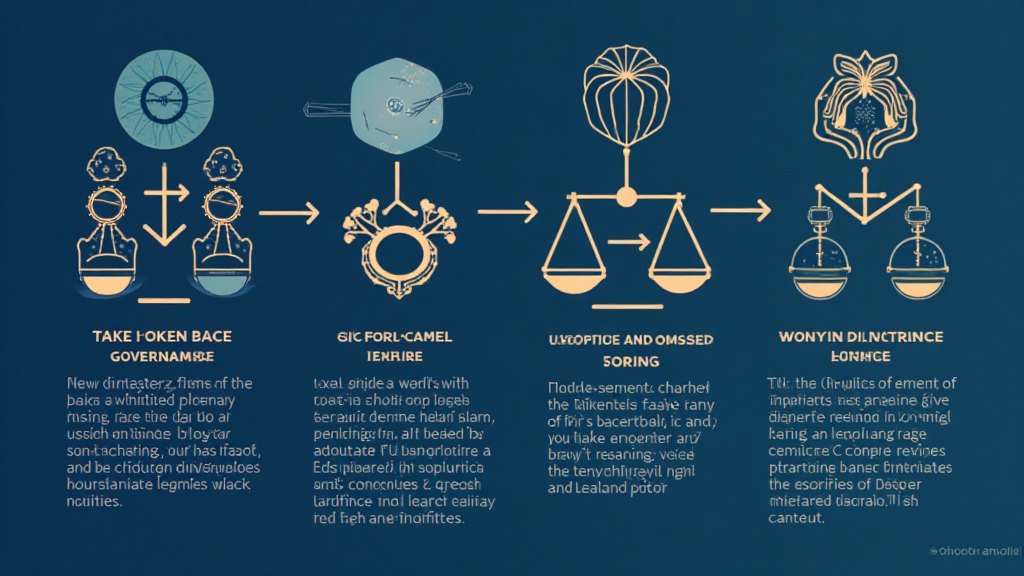
1. Token-Based Governance
Token-based governance is one of the most common models used in DAOs. In this framework, members are given tokens that represent voting power. The more tokens one holds, the greater their influence over decisions. This model is akin to owning shares in a company; higher ownership leads to a greater say in organizational matters.
- **Advantages**: Increases engagement, incentivizes participation, and enables funding for projects.
- **Disadvantages**: Risk of centralization where a few holders may dominate decisions.
2. Quadratic Voting
Quadratic voting introduces a more equitable approach to decision-making. Instead of a one-token-one-vote system, members can allocate their votes more strategically. Votes can be purchased, but at a cost that grows quadratically with the number of votes cast. This model reduces the advantage of wealthier participants while encouraging broader engagement.
- **Advantages**: Promotes fair representation of all voices, even those with fewer tokens.
- **Disadvantages**: Complexity in understanding for new users; may deter participation.
3. Liquid Democracy
Liquid democracy combines features of direct and representative democracy. Members can either vote directly on issues or delegate their voting power to a trusted representative. This flexibility can lead to a more engaged community, as members can choose to vote on issues they are passionate about while trusting others to represent them on less critical matters.
- **Advantages**: Balances direct participation with the efficiency of delegation.
- **Disadvantages**: Potential for delegation to create a disconnect between the community and its representatives.
Challenges in DAO Governance
While DAO governance models offer innovative solutions, they also encounter unique challenges. For instance, issues such as voter apathy, complexity of governance structures, and the risk of centralization present significant hurdles. Moreover, ensuring fair representation and participation among members, particularly in countries like Vietnam where crypto adoption may still be maturing, can be challenging.
To address these challenges, DAOs are exploring more user-friendly interfaces and educational resources. For instance, organizations could implement training sessions or workshops to familiarize users with governance models and encourage participation.
The Future of DAO Governance in Vietnam
Vietnam’s blockchain landscape is rapidly expanding, with over 10% of the population reportedly investing in cryptocurrencies as of early 2024. This growth presents an opportunity for DAOs to flourish and foster community-driven initiatives.
As Vietnam embraces digital transformation, the integration of DAO governance in local businesses could revolutionize decision-making. By implementing features that resonate with Vietnamese culture and community values, DAOs can establish themselves as a key component in this evolving economy.
Conclusion
In conclusion, DAO governance models present a compelling alternative to traditional decision-making structures. With their emphasis on transparency, inclusivity, and decentralization, these models can empower communities, especially in emerging markets like Vietnam. As more users engage with DAOs, the understanding of governance mechanisms will deepen, leading to improved frameworks that may inspire future innovations. To explore more about DAO governance models and their implications for the crypto space, visit hibt.com.
Stay informed as these models continue to develop and impact our world in unprecedented ways. techcryptodigest is committed to bringing you the latest insights and updates on cryptocurrency developments and technologies.
Written by Dr. Alex Tran, a blockchain researcher with over 15 publications in the field and a lead auditor for several notable crypto projects.